

The exterior of a car is one of the main features that define its model. It’s a topic of interest for drivers, vehicle owners, and car repair shops. The outer shell that makes each new model stand out comprises exterior panels. The design and placement of these panels create the car’s unique shape and style. These panels also play a vital role in your car’s safety, performance, and overall look.
Knowing what each panel does makes it easier to spot damage. For professionals doing car body repair or detailing, this knowledge helps choose the right materials and ensure every repaired vehicle looks new.
Article Highlights
This article covers:
- The main exterior panels.
- Hood and trunk panels.
- Door panels and fenders.
- Roof and quarter panels.
- Bumper covers
What are Panels on a Car?
Body panels form a car’s outer structure. They give the car its shape and protect internal systems. Panels also play an important role in protecting passengers. Car panels are usually made of plastics, composites, or sheet moulding compound (SMC).
Modern car manufacturing uses SMC more often, especially for panels like bumpers and boot lids. It resists impact and corrosion better than traditional steel, reduces the vehicle’s overall weight, prevents rust, and can lower the cost of panel repairs.
Manufacturers carefully engineer body panels. They must meet strict performance and appearance standards, look good, and align perfectly. Panels are also designed to withstand sun, rain, and road debris and protect the car’s internal structure.
Also Read: Guide to Carbon Fibre Panel Repair: Risks and Solutions
Get Your Car Looking New Again!
Our skilled team brings your damaged car body back to its original condition expertly.
Exterior Panels
Exterior panels are the visible outer shell. They provide both appeal and protection. Designers carefully shape the panels to improve aerodynamics. This design helps air flow smoothly over the car. Smooth airflow enhances fuel efficiency and makes driving more stable at high speeds.
Over time, exterior panels can become scratched, dented, or rusted. Even small damage, like a door dent, can expose hidden parts to moisture, hurting the car’s resale value.
Hood and Trunk Panels
The hood panel is located at the front end of the vehicle. It serves as a protective cover for the engine compartment, protecting the engine against contaminants like dirt and dust, precipitation, and sunlight. These protections help the engine perform properly and maintain temperature regulation. The hood panel needs to be relatively sturdy and sized to permit easy service access.
Today’s hoods are typically constructed of aluminium or composite materials. These materials provide a combination of being strong yet lightweight. This ultimately reduces vehicle mass at the front end, improving the cars’ fuel economy.
The trunk panel is located on the rear end of the vehicle, usually as a cover over the cargo area. It maintains the rear of the car’s structural integrity and contributes to its overall design.
One of the trunk panel’s primary functions is to help the trunk open and close smoothly. A trunk panel that fits properly with the vehicle’s rear creates a secure compartment for any cargo in the trunk.
The hood and trunk panels balance the vehicle’s functional use and design appeal.
Book Your Repair Today!
Your car deserves the best care. Book your car body repair now and enjoy fast, reliable service.
Door Panels and Fenders
Door panels are used to form the side entrances of the car. They are the mounting area for handles and mirrors. The lower door skin is designed to prevent damage from flying debris, kicks, scuffs, bumps, and other maladies.
Many modern door panels are made of galvanised steel or high-strength composites. These materials resist corrosion and are robust.
Fenders are located around the wheel arches of the car. They are primarily designed to prevent mud, stones, and water from splashing on the car or onto other pedestrians. Fenders also connect the hood to the doors and to the bumper. Additionally, they contribute to the overall aerodynamic capability of the car and help manage air resistance.
If door panels or fenders suffer damage, you should replace them to restore vehicle safety. However, panel beating can also be used to fix minor panel damage. It is the process of reshaping and restoring the original form of car panels.
Roof and Quarter Panels
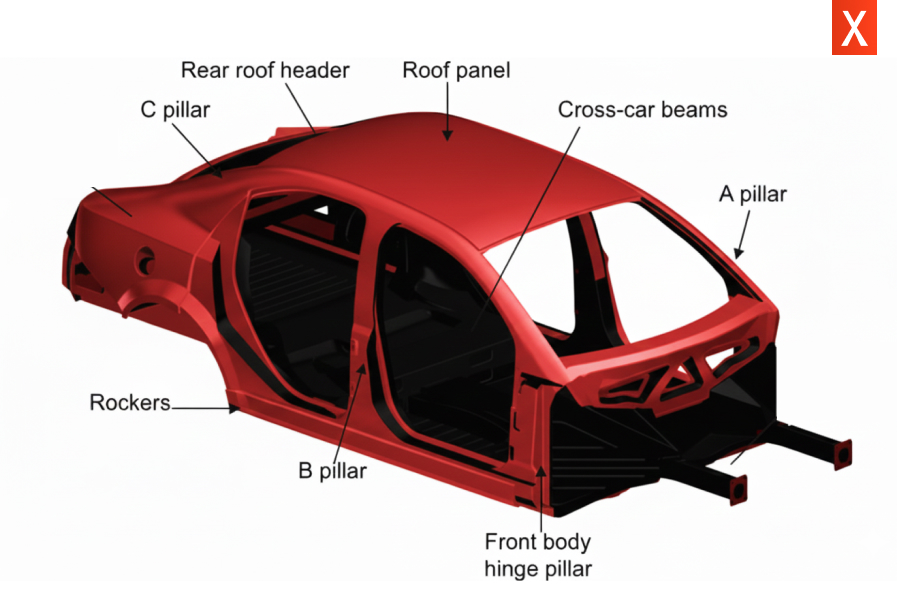
The roof panel is the top section. It provides important structural support and weather protection. The overall structure of the vehicle works to provide safety and rigidity. The quarter panels connect the trunk area to the rear (back) doors and form the rear sides of the car.
Quarter panels are welded in place between the rear doors and the trunk. Replacing a damaged quarter panel requires professional repair, which maintains structural integrity and proper alignment. Contact the AVX auto repair shop for professional panel repair and replacement.
Bumper Covers
The bumper cover is the exterior protective shell that encases the bumpers, grilles, and other components on a vehicle’s front end. It also comprises the headlights, fog lights, and turn signals. Bumper covers are typically made of durable plastics and serve as the vehicle’s finished appearance.
The real bumper system sits behind the cover. It absorbs collision energy and protects critical parts. The cover is the first line of defence, minimising repair costs after light accidents.
Need Car Body Repair?
Get a free assessment and quote from our certified technicians today!
Conclusion
The exterior panels of a vehicle are more than just skin and the surface of the vehicle. They affect design, protect important components, and strengthen the overall vehicle structure. Each panel has a specific purpose or role in the car’s safety.
It is valuable for car owners to be aware of vehicle components, especially panels. This information will assist in the early detection of damage.
Promptly repairing panels during routine inspections and practice will maintain the car’s rigidity and appearance. It also helps retain its value in the long run.
Frequently Asked Questions
If a panel has deep dents, rust holes, or cracked metal, replacement is often the best option. Minor scratches or small dents can usually be repaired through panel beating or repainting.
Both methods are used. Some manufacturers paint panels before assembly, while repair shops usually paint them after installation to match the rest of the car’s colour perfectly.
You can, but it’s not recommended. Even small damage can expose inner parts to rust and reduce safety. If a panel is loose, sharp, or affects lights and number plates, it can cause your car to fail its MOT test. It’s best to repair or replace damaged panels before your next MOT inspection.
It’s a good idea to check them every few months or after any minor collision. Regular inspection helps spot dents, rust, or loose fittings before they become serious problems.
Yes. Smooth and well-aligned panels help reduce air resistance. Damaged or poorly fitted panels can increase drag, slightly lowering fuel efficiency.
Book Your Panel Repair Today
Visit AVX Auto Repair Shop for professional car bodywork services. Our team restores every panel with precision. It will keep your vehicle safe and stylish.

